
“Bringing Psychiatric Diagnosis and Medication to the Chronically Homeless with the support of an existing location, low barrier outreach, and resources.”
In January 2025, CAM launched a new program at our downtown campus called CAMpassion Care.  CAM serves many individuals who are experiencing a mental health crisis with no access to health insurance, treatment or medication. We see and serve several of them on a daily basis, and it’s heartbreaking to hear their stories. They aren’t able to get the help and care they need due to their mental state. We saw a huge gap that needed to be filled, and CAM was called to fill that gap. CAM’s goal is to provide a space that meets their very particular need which is daily support with their mental health. Essentially, we started the CAMpassion Care program for the clients we regularly serve that need mental health treatment. They come to CAM daily for food, showers, and access to restrooms. They are the chronically homeless that cannot function in the typical congregate shelter care and thus never move forward off the streets. Typical access to health care, even if it is low or no cost, requires first making an appointment, getting a diagnosis which means going to an appointment (with no phone or transportation), all the while they may be experiencing paranoia and or severe anxiety. Then if they manage that part they would have to be able to fill a prescription, pick it up, be responsible for the daily dosing, carry it around with them, (if there are any side effects somehow get ahold of the doctor) etc. Our program allows them to come to CAM with no appointment required, see a psychiatric nurse practitioner, have the medication delivered and our staff of outreach workers administers and tracks their dosage. The point of all of this is to get them stabilized and at a point to be help seeking which would allow them to apply for Medicare, get enrolled in community programs that address mental health and apply and qualify for housing of some kind. All things they currently cannot do right now. This is just one creative solution we are working on to address the needs of the chronically homeless in order to help them move from living on the streets to being housed.
Ultimately, the program provides access to diagnosis, treatment, and medication on a daily basis. We’ve partnered with medical professionals who work alongside us who help administer medications to those in need, while also treating severe mental health symptoms. This is the kind of care this particular population would not get elsewhere due to their mental state. This is groundbreaking work for the chronically homeless individuals that we serve, and we’re making strides to better these people’s lives. As of May 2025, we’ve already helped 29 clients total, and we have 15 clients who are actively involved in daily treatment. That’s 29 people who wouldn’t have otherwise been helped, but now, today, they’re thriving and getting the help and resources they need to just, live. We hope to help them navigate next steps for transition to a community organization, detox, housing and a variety of other support and resources. It’s truly a miracle the work that’s being done, and we want to thank everyone who’s had a hand in making this program a success.
 Untreated mental health issues are often a significant contributing factor to chronic street homelessness. The mental health trauma experienced by these individuals can cause significant problems for the community, businesses, and even the individual’s own family. The cost of untreated mental health is substantial for both the individual and the community, including expenses related to police, EMS, hospitals, jails, the DA’s office, and nonprofits providing daily care for years (e.g., food, clothing, showers, staff). Estimates of the annual cost to taxpayers and the community for homelessness vary, with the United States Interagency Council on Homelessness estimating it between $30,000 and $50,000 per person. Over many years (10-15 years), this can amount to hundreds of individuals costing millions of dollars annually. Additionally, at least 30% of the chronically homeless are estimated to have serious mental illnesses such as schizophrenia or bipolar disorder, costing a minimum of $12,000,000 annually for 400 individuals. The current model for treating mental health relies on individuals recognizing their own mental health problems, seeking help, making and attending appointments, getting a diagnosis, filling prescriptions, and managing their symptoms—all while living on the streets or needing stable housing to access care. This model is rarely effective.
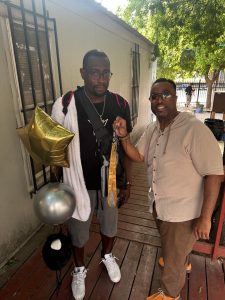 CAM not only has experience working with this population but has staff members with lived experience who have a unique perspective and ability to work with the population who has a hard time trusting anyone. CAM has also experienced doing this type of work and seeing its success with a few clients supervised by a well-known San Antonio, Doctor of Psychiatry, Dr. Miller. This model worked with an individual who now is successfully medicated and living on their own in specialized housing. This program proposes to utilize CAM’s existing, trusted location, frequented by the potential patients (daily) to ensure consistency of treatment.
 Our Premise is that our interaction with said clients will make it easier for the client to avail themselves of this opportunity. This is an effort to offer opportunity to our existing clients. We do not desire to set up a community clinic that people send clients to.